The Academy for Sport Leadership has provided many internship opportunities over the years, and each intern has helped build TASL into the organization it is today.

Rebekah (Milian) Clementson was an intern for The Academy for Sport Leadership in the summer of 2007. Clementson helped with the preparation for the Future Coaches Camp, and she really valued her internship opportunity with TASL. She learned the value of organization, hard work, and how to work with other people in a school setting. Meg Seng was also a great mentor and coach to her.

Rebecca Chinsky attended the University of Michigan, where she earned a Bachelor of Science degree in Physical Education, with a minor in Health. Chinsky also earned a Master of Science degree in Exercise Science and Physical Education from McDaniel College. Because Chinsky was studying physical education and was interested in athletic administration, she thought that an internship with The Academy for Sport Leadership would be a perfect opportunity for her.

Becky (Marx) Keogh transferred from Loyola University Chicago to the University of Michigan to complete her bachelor’s degree in Mathematics Education with a minor in Physics. Keogh also played softball at the University of Michigan, where she was the starting catcher for the 2005 National Championship team and an All-American in 2006. After college, Keogh pursued her love for softball and became the Volunteer Assistant Coach at the University of Michigan, and it was from there she got involved with The Academy for Sport Leadership.
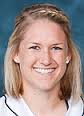 Marley (Powers) Apsey is from Owosso, Michigan, and attended the University of Michigan. She earned a Physical Education degree, and was a member of the softball team from 2007-2011. Apsey found out about The Academy for Sport Leadership while she was in high school, and later became involved with the program in the spring of 2011 while playing her senior season of softball at the University of Michigan.
Danielle Dillon grew up running cross country and participating in track and field. Dillon, a Michigan native, attended the University of Michigan, where she earned her degree in Movement Science, and was a member of the rowing team for a year, until a medical diagnosis sidelined her. For the next three years Dillon was a student manager for the women’s track and field team and the women’s basketball program. It was then Dillon realized that she wanted a career in athletic/sport administration.
 Katie Moffett graduated from Eastern Michigan University in 2013 with a bachelor’s degree in Sport Management. After graduating from EMU, Moffett was looking for a summer internship before she began what is her current job at Lincoln High School. Moffett’s cousin, Lisa Mack, was able to reach out and connect her to Meg Seng for an internship opportunity with The Academy for Sport Leadership.
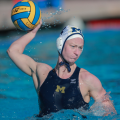
Beth Williams graduated from the University of Michigan in December 2015 with a BS in Movement Science from the School of Kinesiology. Williams also played water polo while at Michigan. Williams first heard about The Academy for Sport Leadership from a careers event hosted by the School of Kinesiology. Being an aspiring water polo coach, Williams applied for and later took the internship knowing she would learn a lot and benefit from TASL’s message to young women.
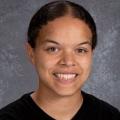 Crystal Fletcher attends the University of Michigan and is an English Language Literature major. Fletcher is a student manager of the University of Michigan Women’s Soccer team, and also works at the Sweetland Center for Writing as a Peer Writing Consultant at the University of Michigan. Fletcher has always loved sports and helping young women succeed, and found out about The Academy for Sport Leadership through one of her coworkers. From there she reached out to Meg Seng for an internship opportunity.

Kelsey Susalla graduated from the University of Michigan with a degree in Psychology and was a member of the softball team from 2012-2016. Growing up playing sports and coaching softball camps over her years in college, Susalla loved helping and inspiring girls to chase their dreams, fitting perfectly with the message of The Academy for Sport Leadership. Susalla heard of the TASL internship from her coach at U-M, and after contacting Meg Seng, she thought this opportunity would be great for her.

Kelsey Auchmuty is finishing up her senior year of college at Eastern Michigan University, where she is pursuing a degree in Sports Performance with a minor in Fitness Entrepreneurship. In high school, Auchmuty attended a small school that did not have the resources to properly coach athletes that other schools had, such as strength and conditioning coach, or special event coaches for the track team. Being a hurdler, Auchmuty had to teach and coach herself, and it wasn't until her junior year of high school that her track team started a lifting program. She fell in love with bettering her body through weight training and became very passionate about lifting. Auchmuty found out about The Academy for Sport Leadership through her professor and coach, Julie Jahn, and fell in love with the message of TASL and knew she wanted to be a part of it.
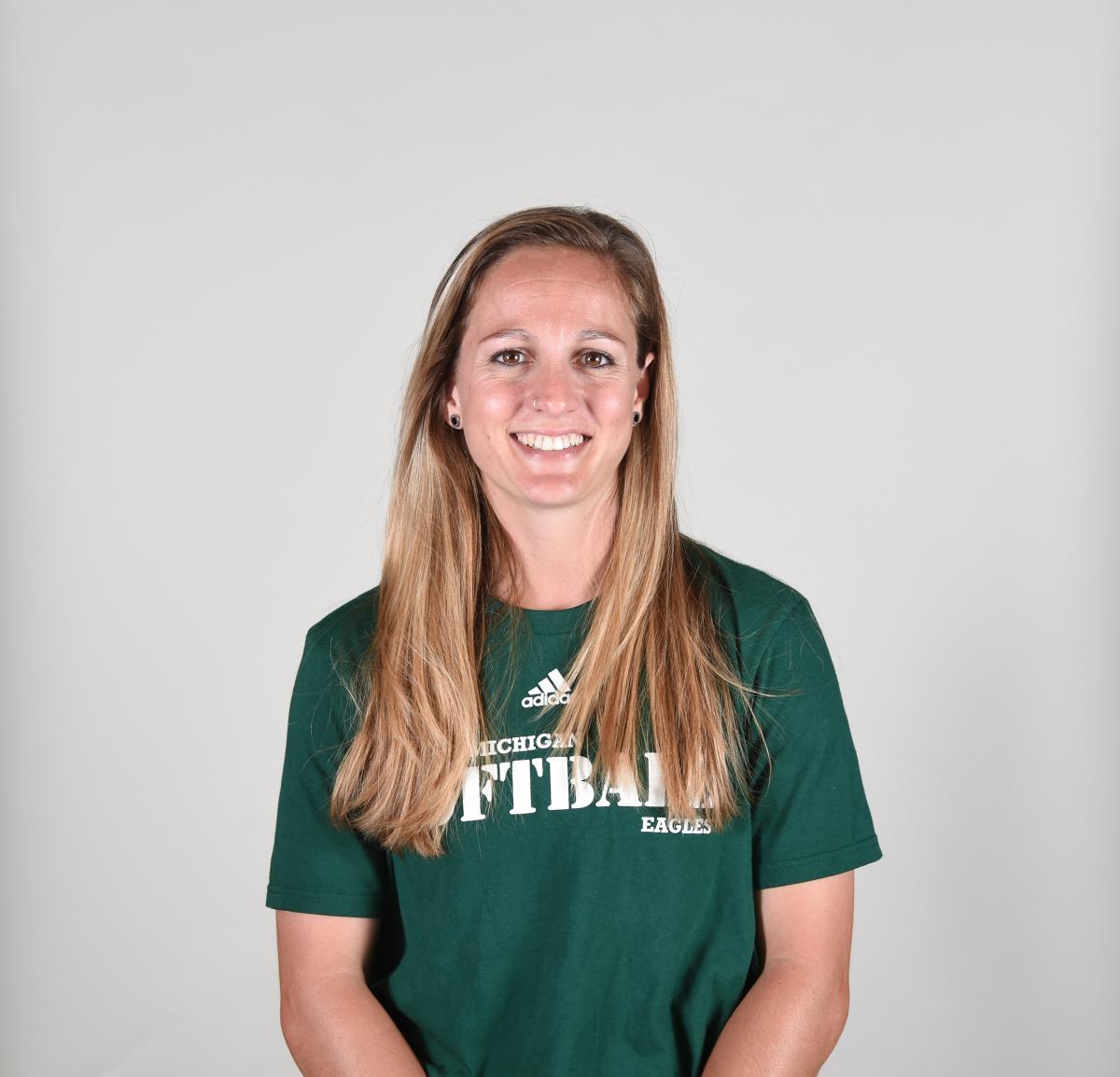 Magali Frezzotti is an Argentina native who owns a Bachelor’s degree in Physical Education and a Master’s degree in Higher Education and Athletic Administration. Magali has played softball for the Argentina National Team for the last 13 years, while she has been coaching in the U.S. for the last three years. She served as a Grad Assistant Coach at Concordia University Ann Arbor between 2015 and 2017, and as an Assistant Coach at Eastern Michigan University for the 2017-2018 season.

Gabrielle Englund graduated from Fowlerville High School in 2014. Currently a senior at Eastern Michigan University and expected to graduate
December 2018. She will graduate with a bachelor’s degree in science, specifically in sport management. After high school Gabrielle started coaching for a local travel volleyball team, the same team she had previously played for. This opportunity is what shook Gabrielle's life and sparked a strong interest in being a mentor. "I see the impact that I could make on these young girls, in which drove my motivation", Gabrielle said. She also expressed that the opportunity to join the TASL team was the perfect scenario to serve as a mentor for young ladies while learning from those ones who form the TASL group.
 Mackenzie Etienne attended Eastern Michigan University, where she earned a Bachelor of Science in Sport Management, with a minor in Entrepreneurship. She also played soccer while attending Eastern Michigan. She found out about The Academy for Sport Leadership through her studies at EMU. With her goal of starting her own non-profit organization in the future, she felt being an intern for the Academy for Sport Leadership would be a great opportunity to empower young women to achieve their goals.
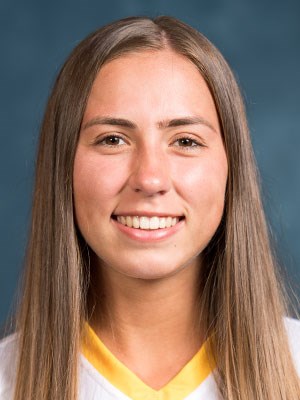 Sarah Stratigakis attends the University of Michigan and is a Sport Management major. Stratigakis plays for the University of Michigan Women’s Soccer team and also plays for the Canadian Women’s National Team. Stratigakis first heard about The Academy for Sport Leadership from a careers event hosted by the School of Kinesiology. Growing up playing sports and coaching soccer sessions and camps over her years in high school and college, Stratigakis enjoyed inspiring and helping young women to follow there future goals and dreams. Being an aspiring soccer coach, Stratigakis applied for and took the internship position, in full support of TASL’s message to young women.